
Pipettes are fundamental tools for measuring and transferring liquids in chemistry, microbiology, and QC labs. In practice, the “best” pipette depends on three things: your volume range, how much accuracy you need, and whether the liquid is challenging (volatile, viscous, foamy, hot/cold). This guide breaks down the main pipette types, shows where each one fits, and includes quick fixes for common pipetting problems.
Quick comparison (bookmark this)
| Pipette type | Best use case | Accuracy level | Blow‑out required? |
|---|---|---|---|
| Volumetric (bulb) | Precise standard prep, analytical chemistry | Very high (fixed volume) | No (deliver-to-mark in normal use) |
| Serological (graduated) | Sterile transfers, routine measuring (often 5–100 mL) | Medium–high (depends on technique) | Yes—mandatory to deliver full volume |
| Micropipette (air displacement) | Routine aqueous samples; microliter work | High for standard applications | Variable (depends on model/protocol) |
| Positive displacement pipette | Volatile/viscous/foamy/dense liquids; best repeatability on “difficult” samples | High on challenging liquids | Not the same “air-cushion” behavior; designed to avoid it |
| Multichannel pipette | 96/384‑well plates; faster throughput | High (for plate workflows) | Variable |
1) Volumetric pipettes (fixed-volume accuracy)
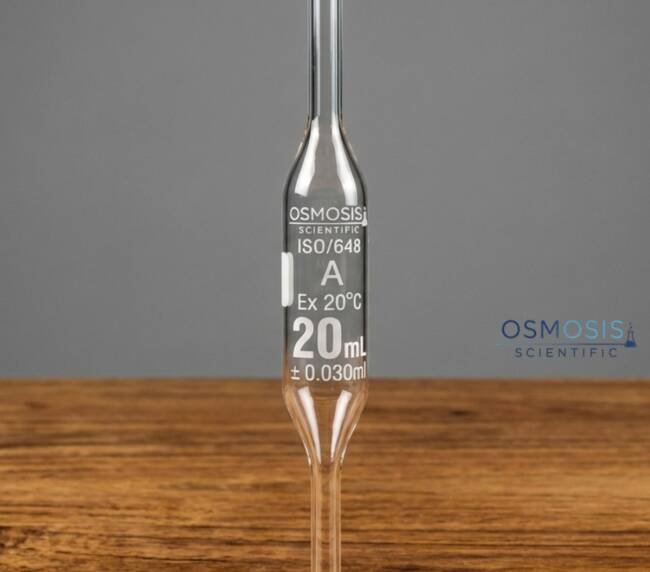
Volumetric (bulb) pipettes are designed to deliver one specific volume with excellent precision, which is why they’re used for standard solutions and analytical work. If your method depends on tight tolerances, this is often the cleanest option—one tool, one volume, minimal variability.
Pro-Tip: The Eye-Level Rule When using Volumetric or Graduated pipettes, always read the bottom of the meniscus at eye level. Looking from above or below introduces Parallax Error, which can throw your volume off by up to 0.5%.
2) Graduated pipettes (Mohr and serological)
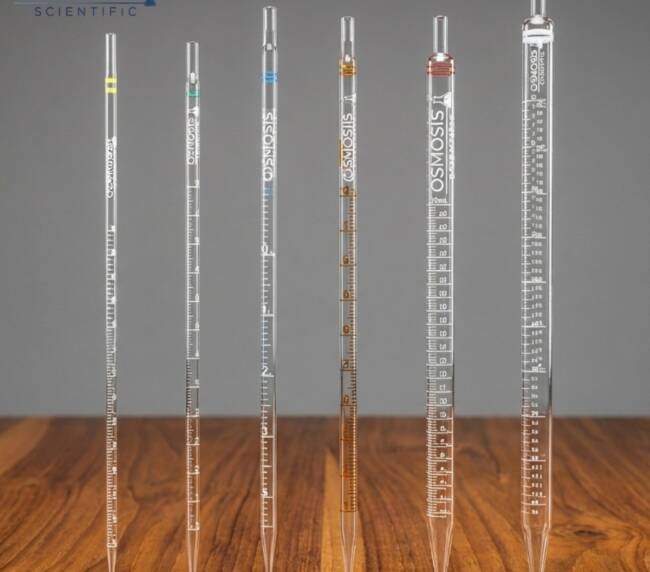
Graduated pipettes give you flexibility because you can measure different volumes using the markings. Serological pipettes are especially common for routine lab transfers and sterile workflows, and they are calibrated so a blow‑out is mandatory to ensure complete delivery. This “blow‑out” step is one reason serological pipetting technique matters so much for repeatability.
3) Micropipettes (air displacement) for daily microliter work
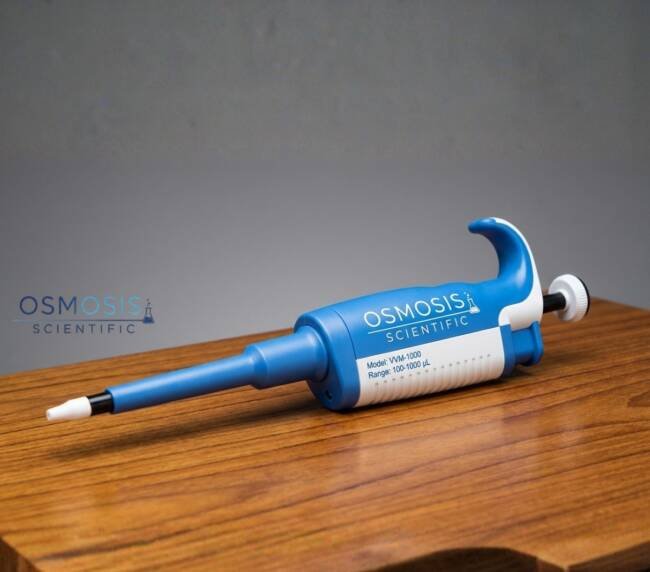
Air displacement pipettes are highly accurate for standard pipetting, but their performance can be affected by factors like viscosity, temperature, and pressure because an air cushion sits between the piston and the liquid. For most aqueous, non-viscous samples, they’re fast, convenient, and reliable—especially when paired with good habits like consistent plunger speed and proper tip seating.
4) Positive displacement pipettes for “problem liquids”
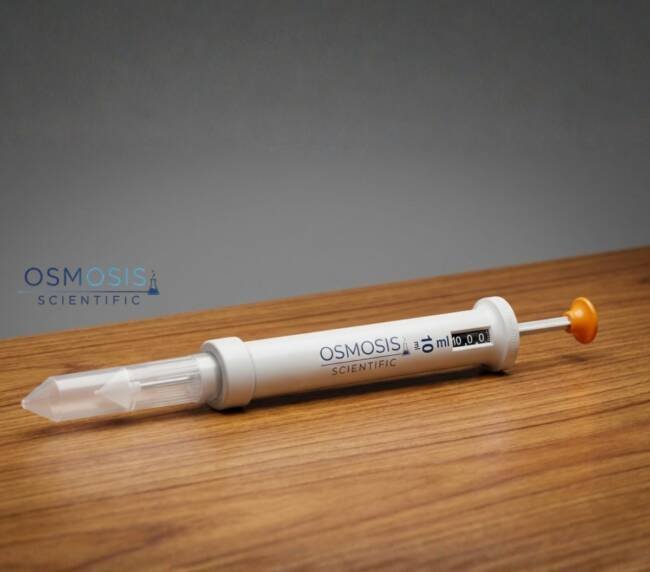
If you work with volatile or viscous samples (or anything foamy/hot/cold/dense), positive displacement is often the better choice because the liquid is in direct contact with the piston inside the tip, reducing errors caused by an air cushion. This is also why positive displacement is recommended when volatile liquids drip after aspiration.
5) Multichannel pipettes for speed and consistency
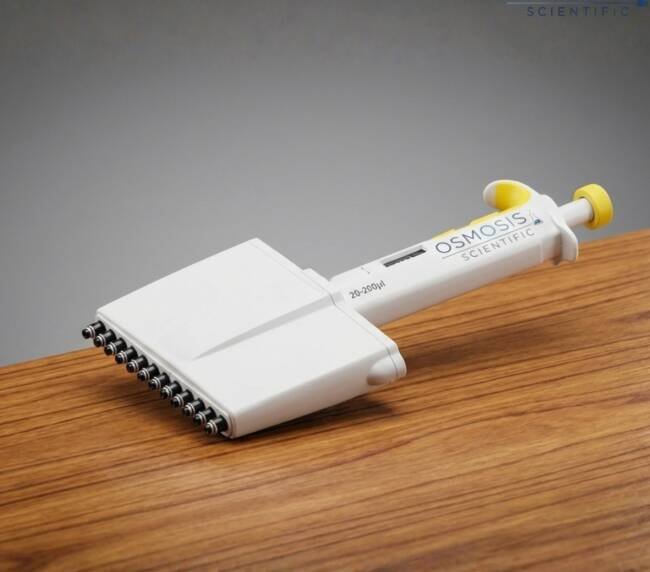
Multichannel Lab pipettes let you fill plates faster and more consistently than single-channel work, which is a big advantage for high-throughput assays and routine plate prep. If your lab runs the same plate workflow daily, this upgrade usually pays for itself in time saved.
Troubleshooting + FAQ
Volatile liquids can drip because vapor pressure changes and the air cushion inside standard pipettes becomes unstable. Pre-wetting the tip helps, but for frequent volatile work, switching to a positive displacement pipette is the most reliable fix.
Yes. Serological pipettes are designed for blow‑out delivery, so you must expel the remaining liquid to deliver the full volume.
Choose positive displacement when you’re handling viscous, volatile, foamy, dense, or temperature‑extreme liquids, because it improves accuracy and repeatability on challenging fluids.