The amber reagent bottle is more than a functional piece of glassware; it represents the intersection of chemistry, physics, and a long tradition of industrial design. Whether you are procuring for a modern laboratory or identifying historical artifacts, understanding the evolution of these vessels ensures you choose safer, more reliable equipment.1. Nomenclature: “Regent” vs.…
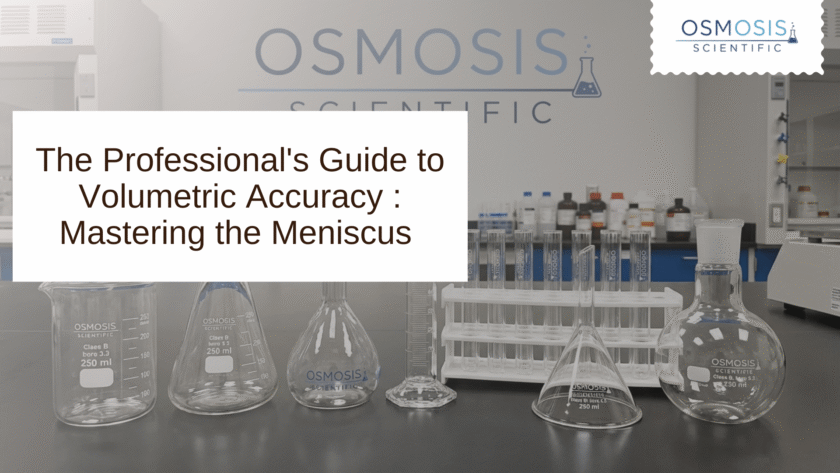
In physical metrology and laboratory practice, the meniscus refers to the curved surface of a liquid within a container. While it may appear to be a simple visual artifact, the meniscus is the fundamental interface for volumetric measurement. Its formation is governed by the physical laws of surface tension and capillary action, and its accurate…
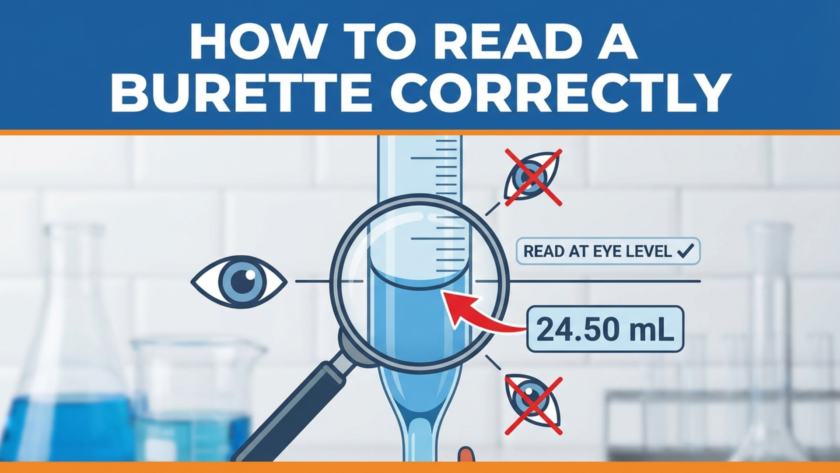
Reading a burette accurately comes down to one habit: align your eye with the meniscus every single time. In this guide, we’ll show you the correct reading technique, how to avoid parallax error, and how to calculate the exact volume dispensed during titration.The Golden Rule of Volumetric Analysis (Don’t Skip This)If you don’t…
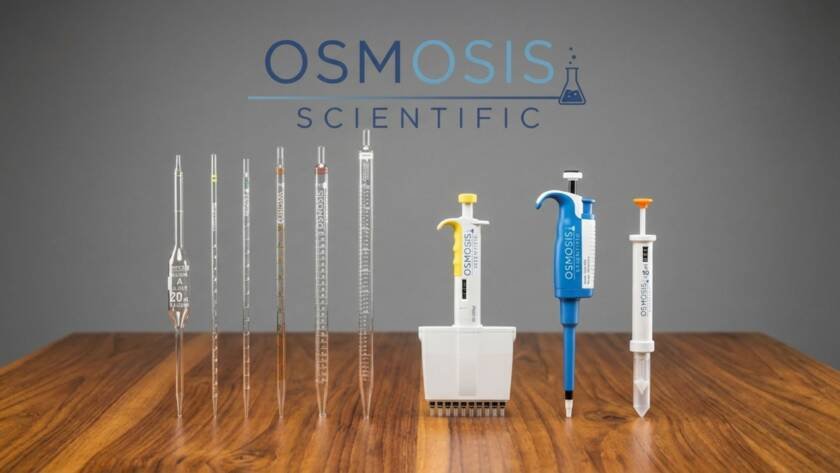
Pipettes are fundamental tools for measuring and transferring liquids in chemistry, microbiology, and QC labs. In practice, the “best” pipette depends on three things: your volume range, how much accuracy you need, and whether the liquid is challenging (volatile, viscous, foamy, hot/cold). This guide breaks down the main pipette types, shows where each one fits,…