

Laboratory Forceps
Laboratory & Surgical Forceps — Precision Handling Tools
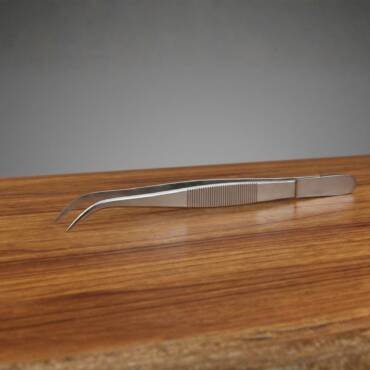
Laboratory forceps are precision handheld instruments used to grasp, hold, and manipulate small or delicate objects. Functioning as high-performance tweezers, they provide improved control and reach while minimizing direct contact between the operator and the sample. Manufactured from corrosion-resistant stainless steel, forceps support clean and safe handling of tissues, powders, slides, filters, and small components across laboratory and clinical environments.
Design and Construction
Laboratory forceps consist of two spring-loaded arms joined at one end, designed to close at the tips when pressure is applied. This construction allows precise control of gripping force and accurate manipulation.
- Material Integrity: Fabricated from premium stainless steel for durability, chemical resistance, and full autoclavability in sterile workflows.
- Tip Geometry: Available in pointed, blunt, triangular, and broad flat designs. Many models include fine serrations for improved grip on wet or smooth materials.
- Ergonomic Design: Textured handles and finger ridges enhance grip stability and reduce operator fatigue during extended use.
Types of Laboratory Forceps
To match specific laboratory applications, multiple configurations are available:
- Thumb/Standard Forceps: General-purpose instruments for routine handling and placement tasks.
- Tissue (Adson/DeBakey) Forceps: Surgical-style designs featuring fine teeth or serrations for secure, controlled handling of biological tissue.
- Blunt and Pointed Forceps: Blunt tips are suitable for soft or delicate materials, while pointed tips allow access to confined spaces or fine objects.
- Cross-Locking Forceps: Reverse-action designs that maintain grip without continuous hand pressure, ideal for prolonged procedures.
Common Laboratory Applications
Forceps are indispensable tools across analytical, biological, and research laboratories:
- Sample Transfer: Safe movement of powders, crystals, tablets, filters, and small components with reduced contamination risk.
- Microscopy & Histology: Precision handling of slides, cover slips, and filter papers during preparation and staining procedures.
- Biological Research: Support for dissections and tissue manipulation requiring fine motor control and aseptic technique.
- Safety & Sterility: Handling of sharp or contaminated materials while maintaining safe distance from hazardous substances.
Sterilization, Care, and Safe Use
Stainless steel laboratory forceps are engineered for durability and compatibility with sterile environments.
- Cleaning: Remove residues promptly using appropriate laboratory detergents, followed by thorough rinsing and drying.
- Sterilization: Compatible with autoclaving, dry-heat sterilization, and approved chemical sterilants.
- Maintenance: Inspect regularly for proper tip alignment. Apply only necessary pressure to avoid damaging delicate samples.
Showing all 4 results


Laboratory & Surgical Forceps — Precision Handling Tools
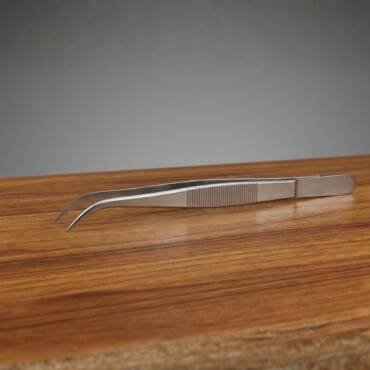
Laboratory forceps are precision handheld instruments used to grasp, hold, and manipulate small or delicate objects. Functioning as high-performance tweezers, they provide improved control and reach while minimizing direct contact between the operator and the sample. Manufactured from corrosion-resistant stainless steel, forceps support clean and safe handling of tissues, powders, slides, filters, and small components across laboratory and clinical environments.
Design and Construction
Laboratory forceps consist of two spring-loaded arms joined at one end, designed to close at the tips when pressure is applied. This construction allows precise control of gripping force and accurate manipulation.
- Material Integrity: Fabricated from premium stainless steel for durability, chemical resistance, and full autoclavability in sterile workflows.
- Tip Geometry: Available in pointed, blunt, triangular, and broad flat designs. Many models include fine serrations for improved grip on wet or smooth materials.
- Ergonomic Design: Textured handles and finger ridges enhance grip stability and reduce operator fatigue during extended use.
Types of Laboratory Forceps
To match specific laboratory applications, multiple configurations are available:
- Thumb/Standard Forceps: General-purpose instruments for routine handling and placement tasks.
- Tissue (Adson/DeBakey) Forceps: Surgical-style designs featuring fine teeth or serrations for secure, controlled handling of biological tissue.
- Blunt and Pointed Forceps: Blunt tips are suitable for soft or delicate materials, while pointed tips allow access to confined spaces or fine objects.
- Cross-Locking Forceps: Reverse-action designs that maintain grip without continuous hand pressure, ideal for prolonged procedures.
Common Laboratory Applications
Forceps are indispensable tools across analytical, biological, and research laboratories:
- Sample Transfer: Safe movement of powders, crystals, tablets, filters, and small components with reduced contamination risk.
- Microscopy & Histology: Precision handling of slides, cover slips, and filter papers during preparation and staining procedures.
- Biological Research: Support for dissections and tissue manipulation requiring fine motor control and aseptic technique.
- Safety & Sterility: Handling of sharp or contaminated materials while maintaining safe distance from hazardous substances.
Sterilization, Care, and Safe Use
Stainless steel laboratory forceps are engineered for durability and compatibility with sterile environments.
- Cleaning: Remove residues promptly using appropriate laboratory detergents, followed by thorough rinsing and drying.
- Sterilization: Compatible with autoclaving, dry-heat sterilization, and approved chemical sterilants.
- Maintenance: Inspect regularly for proper tip alignment. Apply only necessary pressure to avoid damaging delicate samples.
Laboratory Forceps FAQs
What are laboratory forceps used for?
Laboratory forceps are used to grasp, hold and transfer small or delicate items—such as tissues, crystals, slides or filter papers—without touching them directly, improving precision and reducing contamination.
What is the difference between blunt and pointed forceps?
Blunt‑tipped forceps are best for handling soft items like cotton swabs or tissue without piercing them, while pointed forceps are suited to precision work and reaching into very small spaces.
Can laboratory forceps be sterilised and reused?
Yes. Most stainless‑steel forceps can be cleaned and then sterilised by autoclaving, dry‑heat or suitable chemical sterilants, provided you follow the manufacturer’s instructions and your lab’s SOPs.
How should I maintain and store forceps for long life?
Clean thoroughly after use, inspect regularly for damage, keep the hinge lightly lubricated if recommended, protect the tips, and store in a dry, clean, well‑ventilated place to prevent corrosion.
What safety precautions should I follow when using forceps?
Use only enough pressure to grip securely, avoid using damaged or misaligned instruments, always sterilise when cross‑contamination is a risk, and follow PPE and handling guidelines for hazardous samples.