

Glassware
Showing 61–75 of 100 results
 Buy now This product has multiple variants. The options may be chosen on the product page
- Buy now This product has multiple variants. The options may be chosen on the product page
- Buy now This product has multiple variants. The options may be chosen on the product page
- Buy now This product has multiple variants. The options may be chosen on the product page
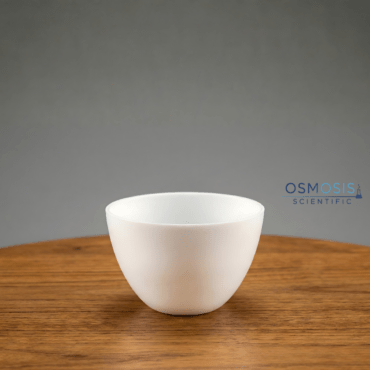
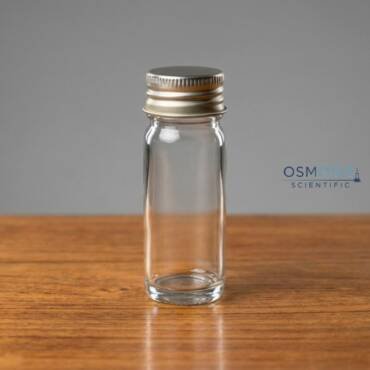
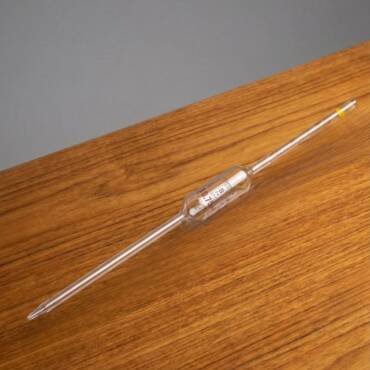
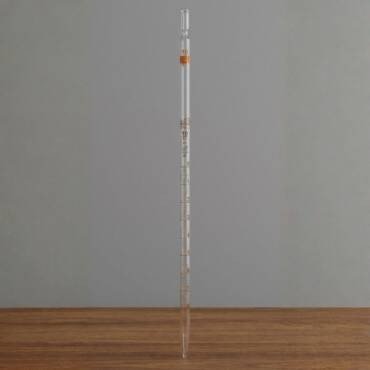
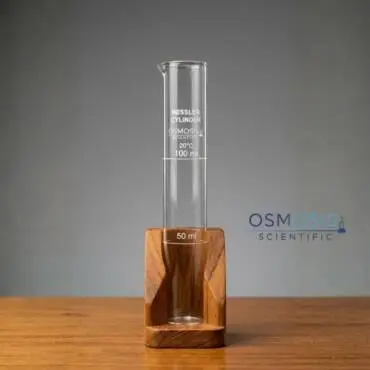
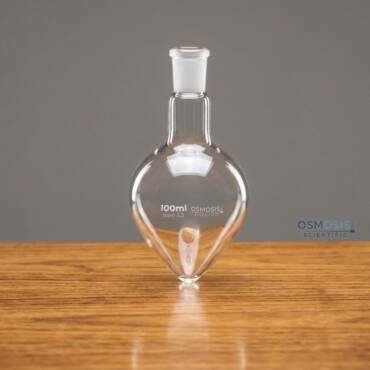
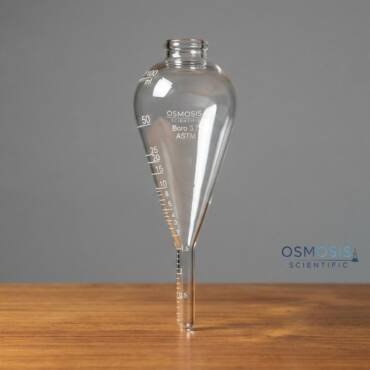
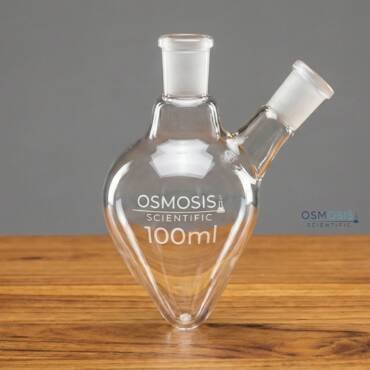
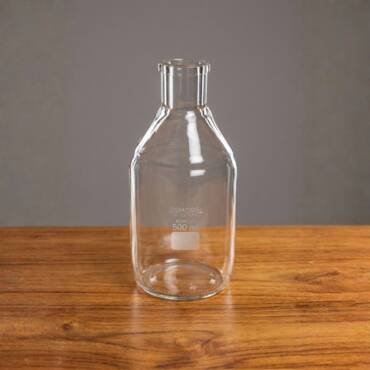
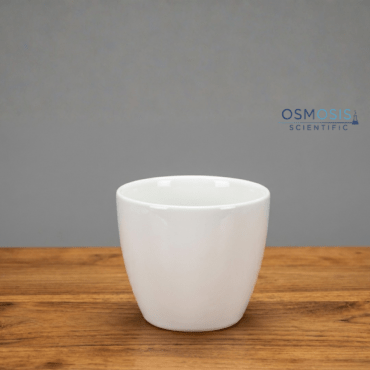
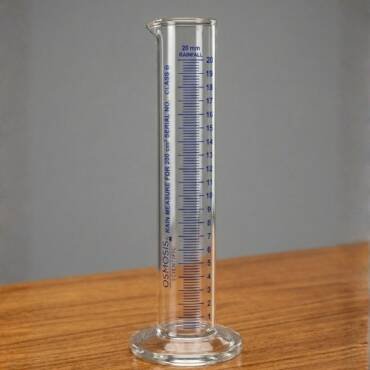
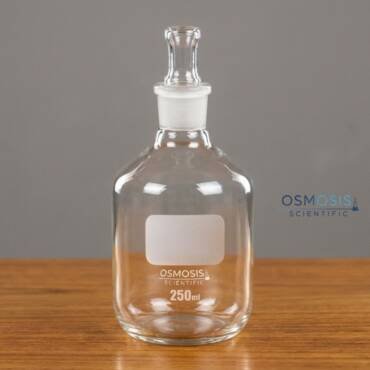
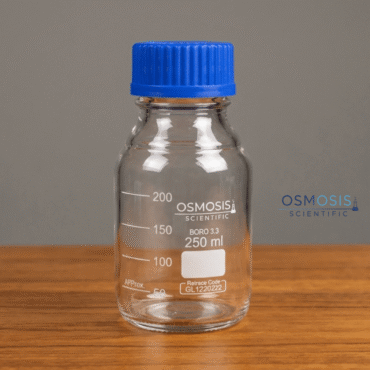
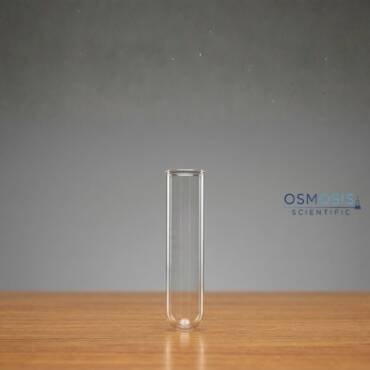
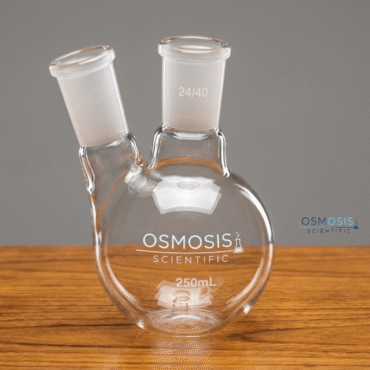
Laboratory glassware is essential for accurate measurement, safe chemical handling, and reliable experimental results. At Osmosis Scientific, we offer a comprehensive range of high-quality laboratory glassware designed for use in research laboratories, educational institutions, healthcare facilities, and industrial laboratories.
Our collection includes beakers, flasks, test tubes, measuring cylinders, burettes, pipettes, condensers, and other scientific glassware manufactured from borosilicate glass that is heat-resistant, chemically stable, and built for long-term laboratory use. Each product meets strict quality standards to ensure accuracy, clarity, and durability in demanding lab environments.
Laboratory Glassware – Frequently Asked Questions
At Osmosis Scientific, we understand that the quality of your laboratory glassware directly impacts your research accuracy and efficiency. Our extensive range of borosilicate 3.3 glassware—including round-bottom flasks, volumetric flasks, condensers, funnels and specialized apparatus—is engineered to withstand the rigorous demands of chemistry, pharmaceutical, environmental and teaching laboratories. Each piece is manufactured to DIN/ISO standards and selected for durability, chemical resistance and thermal stability, ensuring reliable performance across distillation, reflux, heating and quantitative analysis workflows.
All Osmosis Scientific laboratory glassware is manufactured from borosilicate 3.3 glass—a premium, chemically resistant material containing silica and boron oxide. This composition provides exceptional thermal shock resistance, allowing our glassware to withstand rapid temperature changes without cracking. Borosilicate 3.3 resists attack from most laboratory acids, bases, solvents and reagents, making it ideal for long-term storage of corrosive chemicals and repeated heating cycles on hot plates, heating mantles and even Bunsen burners. This material choice ensures your investment in Osmosis Scientific products delivers years of reliable service in demanding laboratory environments.
Osmosis Scientific provides a comprehensive catalog of laboratory glassware for every application:
- Round-Bottom Flasks – single-neck, 3-neck, 4-neck angular and wide-neck designs for distillation, reflux and synthesis
- Volumetric Flasks – Class A certified precision glassware for standard solution preparation
- Conical Flasks – Erlenmeyer-style vessels for general mixing, heating and titration
- Condensers – Liebig, Graham and coil-type for reflux and distillation setups
- Funnels – Thistle, separatory, powder, Büchner and pressure-equalizing designs
- Beakers & Measuring Cylinders – for mixing, measuring and approximate volume determination
- Test Tubes & Culture Vessels – for small-scale reactions and biological work
- Desiccators & Specialized Apparatus – for sample storage, cooling and advanced synthesis
Browse our full product range at Osmosis Scientific to find the exact glassware your lab needs.
Osmosis Scientific supplies both Class A and Class B glassware to match your accuracy requirements:
Class A Glassware: Includes volumetric flasks, burettes, pipettes and other precision apparatus manufactured to strict DIN/ISO tolerances and individually certified. Use Class A products when preparing standard solutions, conducting quantitative analysis, pharmaceutical testing or any work requiring certified volumetric accuracy.
Class B Glassware: Includes graduated cylinders, beakers, conical flasks and general apparatus suitable for qualitative work, heating, mixing and approximate volume measurement. Class B products from Osmosis Scientific deliver excellent value for teaching, routine laboratory procedures and general research where volumetric certification is not mandatory.
Our team at Osmosis Scientific recommends Class A for regulatory-compliant labs and Class B for cost-effective, high-volume operations.
Proper care extends the life of your Osmosis Scientific glassware:
Immediate Cleaning: Rinse glassware immediately after use with warm water to prevent residue hardening and staining.
Detergent Wash: Use a soft brush or bottle cleaner with appropriate lab detergent. For stubborn residues, soak in dilute hydrochloric acid or specialized lab cleaning solution overnight.
Thorough Rinsing: Rinse thoroughly with deionized water at least three times to remove all detergent and residual chemicals.
Drying: Dry with lint-free cloth or allow air-drying in a dust-free environment. Avoid wiping the interior of volumetric glassware excessively.
Storage: Store Osmosis Scientific glassware away from vibration, direct sunlight and temperature extremes. Use padded storage boxes for valuable or specialized items.
Inspection: Regularly inspect for chips, cracks or clouding. Replace damaged glassware immediately to maintain safety and accuracy.
Osmosis Scientific round-bottom flasks are engineered for superior heat distribution and chemical compatibility. The hemispherical shape ensures uniform heating with no cold spots, making them ideal for:
- Distillation setups – where the round bottom acts as the boiling vessel connected to condensers and receiving flasks
- Reflux reactions – where the flask is heated while solvent vapors rise through a condenser and return as liquid
- Vacuum operations – where the rounded design resists implosion under negative pressure
- Synthesis & compound preparation – requiring vigorous heating and swirling without spillage
Available in single-neck (basic heating), 3-neck (with side ports for thermometer and addition funnels) and 4-neck angular designs, Osmosis Scientific round-bottom flasks adapt to your exact experimental setup.
Osmosis Scientific volumetric flasks are precision instruments designed to prepare solutions of exact, certified volume. Use our volumetric glassware when:
- Preparing standard solutions for analytical or pharmaceutical testing
- Making precise dilutions for titrations, assays or instrumental analysis
- Creating calibration standards for HPLC, GC or spectrophotometry
- Conducting quantitative research requiring high reproducibility
- Meeting regulatory or ISO 17025 accreditation requirements
Each Osmosis Scientific Class A volumetric flask carries a single calibration mark and is individually certified for accuracy. Our volumetric range spans 10 mL to 2000 mL capacities, with complete capacity options for seamless laboratory workflows.
Yes, Osmosis Scientific borosilicate 3.3 glassware is engineered for heating. Follow these guidelines to ensure safe, optimal performance:
Hot Plates: Safest method. Provide even, controllable heat. Place glassware on a trivet or wire gauze.
Heating Mantles: Ideal for round-bottom flasks. Distribute heat evenly and prevent thermal shock. Select mantle size matching your flask.
Bunsen Burners: Use only with a wire gauze or ceramic triangle to diffuse flame. Never expose glassware directly to high-temperature flames.
Cooling Protocol: Always allow hot Osmosis Scientific glassware to cool gradually to room temperature. Never immerse hot glassware in cold water—thermal shock causes immediate cracking.
Never Use: Soda-lime glass on open flames. Only borosilicate 3.3 glassware (like Osmosis Scientific products) is flame-safe.
Osmosis Scientific glassware uses DIN ISO 1773 and NS (NormalSchliff) ground-glass joint standards, ensuring compatibility and interchangeability.
NS Designation: Sizes are written as outer diameter/length (e.g., NS 14/23 = 14 mm outer diameter, 23 mm length). Common sizes include NS 14/23, NS 19/26, NS 24/29, NS 29/32, NS 34/35 and NS 55/44.
Why It Matters: Standardized NS joints mean that condensers, adapters, thermometer holders, stopcocks and other components from Osmosis Scientific and other manufacturers fit together reliably. This modularity allows you to build custom apparatus for your specific experimental needs without purchasing entire pre-assembled sets.
Application Tip: Always verify NS sizes match when connecting glassware components. A mismatched joint creates poor seals and experimental failure.
Osmosis Scientific offers specialized funnels for every laboratory task:
- Thistle Funnels: Long, narrow stems for adding liquids into narrow-necked flasks and closed systems. Ideal for reagent addition without spillage or back-pressure.
- Separatory Funnels: For separating immiscible liquids (oil/water, ether/aqueous layers). Includes a stopcock for precise control.
- Büchner Funnels: Flat-bottomed with perforated base. Used with filter paper for vacuum filtration and rapid solid-liquid separation.
- Powder Funnels: Wide, curved mouth for transferring bulk solids without spillage. Ideal for adding powders to reactions.
- Constant-Addition (Dropping) Funnels: Regulate precise liquid flow during reactions. Essential for exothermic or sensitive reactions requiring controlled addition.
- Pressure-Equalizing Funnels: Prevent back-pressure buildup in closed reaction systems. Dual-stem design maintains atmospheric pressure inside the flask.
Browse Osmosis Scientific funnel catalog to match your exact procedure.
Osmosis Scientific desiccators maintain dry environments for sample cooling and hygroscopic material storage.
Design: Sealed glass chamber with removable perforated shelf. Desiccant (silica gel, calcium chloride or molecular sieves) sits below the shelf.
Use Cases: Cool oven-dried samples (crucibles, filters, powders) to prevent moisture reabsorption, or store hygroscopic materials away from ambient humidity.
Operation: Place hot sample on shelf. Slide lid to create an airtight seal. Allow gradual cooling over 30–60 minutes before opening. Opening while hot breaks the seal and allows moisture ingress.
Desiccant Maintenance: Replace desiccant when it changes color (indicating saturation). Regenerate reusable desiccants by gentle heating in an oven.
Osmosis Scientific desiccators are essential for precise gravimetric analysis where sample mass changes from moisture absorption would affect results.
Yes, most Osmosis Scientific borosilicate 3.3 glassware is autoclavable and can withstand repeated steam sterilization cycles (121°C, 15 psi for 15–20 minutes) without degradation or cracking.
Autoclavable Products Include: Round-bottom flasks, beakers, conical flasks, test tubes, culture vessels, graduated cylinders and condensers.
Cautions: Some narrow-necked flasks may trap steam—verify safety before use. Rubber tubing, plastic adapters and cork stoppers may not tolerate autoclaving—use borosilicate glass stoppers or metal clamps instead.
Best Practice: Always allow autoclaved Osmosis Scientific glassware to cool gradually before handling. Thermal shock from rapid cooling causes cracking.
Recommendation: For specialty glassware or high-value apparatus, contact Osmosis Scientific support to confirm autoclave compatibility before use.
Osmosis Scientific makes it easy to source the exact glassware your laboratory needs:
- Online Catalog: Browse our complete product range with detailed specifications, capacities, joint sizes and SKU codes.
- Quick Enquiry: Click "Enquire Now" buttons on any product page to request pricing, bulk quantities or custom specifications.
- Technical Support: Our team provides recommendations on glassware selection, maintenance and troubleshooting to optimize your lab's performance.
- Bulk Orders: Schools, research institutions and industrial laboratories receive dedicated support, volume pricing and fast delivery.
Contact Osmosis Scientific today to discuss your glassware requirements and discover how our products improve your laboratory efficiency, accuracy and cost-effectiveness.